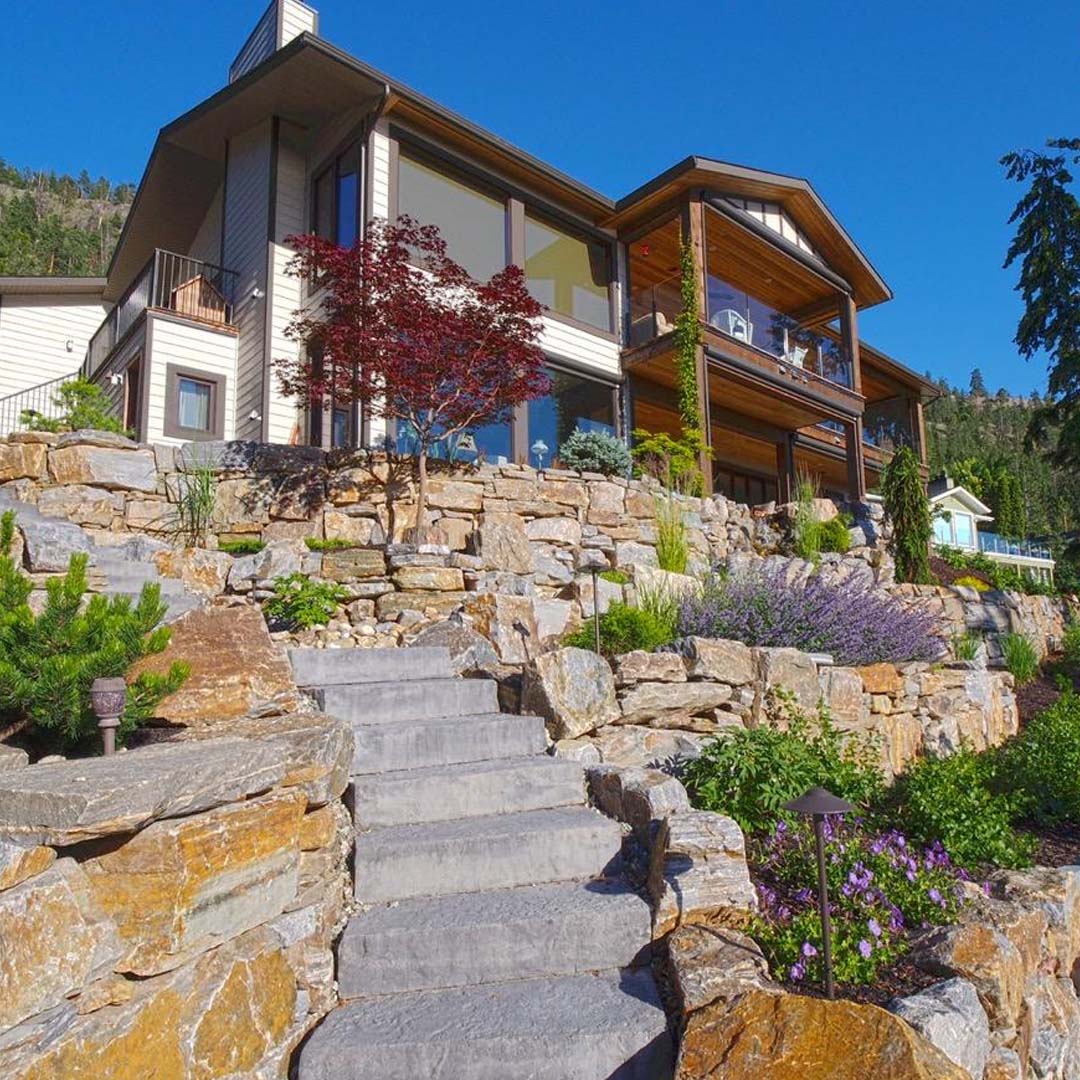
You’ve found a home you love. The location is right, the layout works, and the backyard has beautiful landscaping with a retaining wall that creates a level, usable outdoor space.
But what happens if that retaining wall is leaning, cracking or showing signs of movement?
It’s a situation we encounter regularly at Fuller’s Landscape Company. Homebuyers, homeowners and real estate professionals contact us to assess retaining walls, provide repair estimates and help them understand potential problems before they become much bigger expenses.
In Kelowna and throughout the Okanagan, where many residential properties are built on hillsides or uneven terrain, retaining walls can be a significant part of a property’s infrastructure.
And when you’re purchasing a home, it’s worth knowing what you’re inheriting.
A Retaining Wall Can Be More Than a Landscaping Feature
Some retaining walls are relatively small structures used to create garden beds or define outdoor spaces. Others support substantial amounts of soil, driveways, patios or changes in elevation.
The difference matters.
A wall that looks decorative may actually be performing an important structural function. If it begins to fail, the consequences can extend beyond the wall itself.
Soil movement, drainage problems and damage to surrounding landscaping can all become concerns. Depending on the location, a failing retaining wall may also affect neighbouring properties.
This is why we encourage buyers to take retaining walls seriously during the home purchasing process.
Why a Standard Home Inspection May Not Tell You Everything
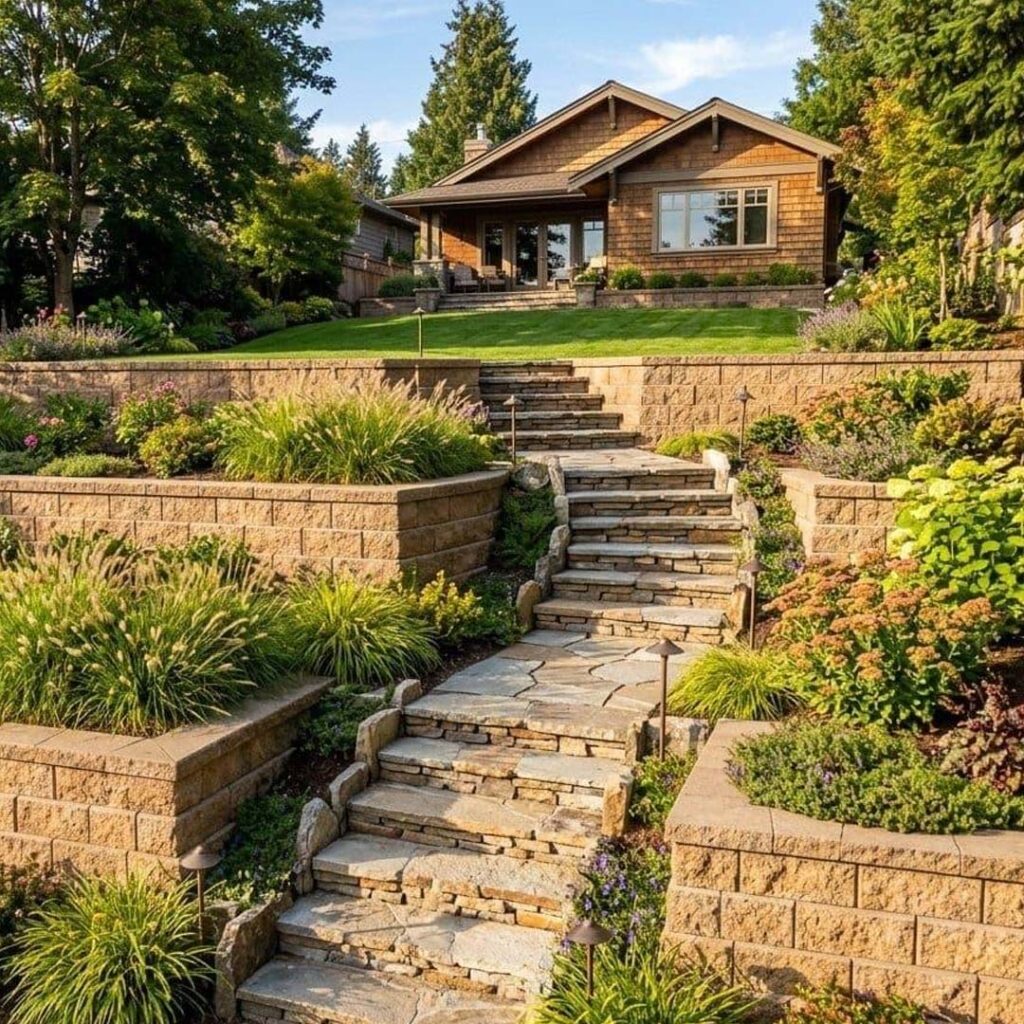
A general home inspection is an important part of purchasing a property, but retaining walls can require specialized knowledge.
An inspector may identify visible cracking, leaning or other concerns, but determining the cause of those problems and what repairs might involve can require further assessment.
For example, a retaining wall might appear relatively straight from the front while showing signs of poor drainage, inadequate construction or movement elsewhere.
Other concerns may be hidden below ground.
When questions arise, a retaining wall contractor can help assess visible site conditions and provide information about potential repair or replacement work. Where structural performance or safety needs to be established, a qualified professional engineer may be required.
Fuller’s regularly assists homeowners and prospective buyers by reviewing retaining wall concerns and preparing estimates for the work that may be needed.
Five Things to Look for Before Buying a Property With a Retaining Wall
1. Leaning, Bulging or Uneven Sections
A retaining wall should not be visibly pushing outward or developing significant changes in alignment.
Leaning or bulging can indicate movement caused by soil pressure, drainage problems, inadequate construction or other site conditions.
Even relatively small changes may warrant further investigation, particularly on taller walls or those supporting substantial loads.
Our article Signs Your Retaining Wall May Be Failing in Kelowna explains some of the warning signs homeowners should watch for.
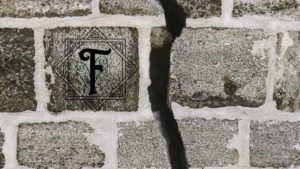
2. Cracking or Separating Materials
Cracks can develop for several reasons, and not every crack means a wall is failing.
However, widening cracks, separated blocks, displaced stones or sections that no longer align properly can indicate movement.
It’s important to look at the overall condition of the wall rather than focusing on one isolated crack.
A professional assessment can help determine whether further investigation is necessary.
3. Poor Drainage or Water Accumulation
Water is one of the biggest concerns when it comes to retaining wall performance.
If water collects behind a wall, pressure can increase and contribute to movement or deterioration.
During a property viewing, look for signs of staining, erosion, saturated soil, pooling water or material washing out from behind the wall.
Ask whether drainage was incorporated into the original construction and whether the property has experienced previous water-related problems.
For more information, read Why Retaining Walls Fail in the Okanagan (And How to Prevent It).
4. Evidence of Previous Repairs
A retaining wall that has already been repaired deserves a closer look.
Repairs aren’t necessarily a problem. In some cases, they may have addressed an issue properly.
However, it’s worth understanding what was repaired, why the work was necessary and whether the underlying cause was corrected.
Ask the seller whether documentation, invoices, engineering reports or photographs of previous work are available.
A cosmetic repair may improve the appearance of a wall without resolving the condition that caused the original problem.
5. Walls Near Property Boundaries
Retaining walls located along property lines can introduce additional complications.
A wall may support soil on one property while being accessible primarily from another. Drainage or movement can also affect neighbouring land.
Before purchasing, it’s important to understand where the wall is located in relation to the property boundary and whether there are existing agreements, easements or documented concerns.
A legal survey may be necessary to confirm the wall’s location. Questions about ownership or responsibility may require legal advice.
If a retaining wall is already showing signs of failure near a neighbouring property, it’s worth investigating before completing the purchase.
What Happens When a Retaining Wall Problem Is Discovered Before Closing?
Finding a potential problem doesn’t automatically mean you should walk away from the property.
It does mean you should understand the issue before making a final decision.
Depending on the circumstances, buyers may want to obtain a retaining wall assessment, request additional documentation or arrange for a professional engineer to evaluate the structure.
A repair estimate can also provide useful information about the potential financial implications.
For example, repairing a small section of a wall may involve a very different scope of work from removing and rebuilding a substantial retaining structure.
Site access, excavation, drainage, engineering and the condition of the existing wall can all influence the cost.
Having this information before subject removal or closing can help buyers and their real estate representatives make more informed decisions.
The terms of a purchase agreement and any opportunities to negotiate should be discussed with the buyer’s REALTOR® and legal adviser.
Retaining Wall Assessments, Reports and Repair Estimates
At Fuller’s Landscape Company, we receive calls from homeowners, prospective buyers and real estate professionals who need help understanding the condition of an existing retaining wall.
We have extensive hands-on experience with retaining wall construction, excavation and site preparation throughout the Okanagan.
Depending on the situation, Fuller’s can assist with:
- Assessing visible retaining wall concerns and site conditions.
- Identifying potential construction, drainage or movement issues that may require further investigation.
- Providing estimates for retaining wall repairs or replacement.
- Preparing written observations and reports for homeowner, insurance-related or consulting purposes.
- Discussing practical repair and reconstruction options.
- Recommending further engineering assessment where appropriate.
These services can be particularly useful when a retaining wall issue is discovered during a real estate transaction and the buyer needs more information within a limited timeframe.
It’s important to understand the distinction between a contractor’s assessment and a structural engineering report. Fuller’s can provide construction-related observations, consulting and estimates, but formal structural certification or engineering opinions must come from an appropriately qualified professional.
For insurance matters, the insurer should confirm what type of documentation it will accept.
What If You’ve Already Purchased the Home?
Sometimes retaining wall problems aren’t discovered until after possession.
A homeowner may notice movement after heavy rain, discover cracking during landscaping work or realize that an existing wall was not constructed properly.
In these situations, the first step is to understand the condition of the wall and whether there are immediate safety concerns.
Avoid placing additional loads near a visibly unstable wall, and keep people away from areas where collapse or falling material may be possible.
A contractor can review the site and discuss potential repair options. A professional engineer should assess suspected structural instability where necessary.
Our article Retaining Wall Mistakes That Cost Okanagan Homeowners Thousands provides additional information about common construction problems and why proper installation matters.
Buying or Selling a Home With a Retaining Wall in Kelowna?
Retaining walls are common throughout the Okanagan, particularly on hillside properties where they help create usable outdoor spaces.
But when a wall is showing signs of movement, deterioration or questionable construction, it’s better to investigate before the problem becomes your responsibility.
Whether you’re buying a home, preparing to sell or dealing with an existing retaining wall concern, Fuller’s Landscape Company can help you understand the visible conditions and potential repair work involved.
Contact Fuller’s Landscape Company to discuss retaining wall assessments, consulting, written reports and repair estimates in Kelowna and throughout the Okanagan.
Frequently Asked Questions
Should I have a retaining wall inspected before buying a house?
If a property has a substantial retaining wall, particularly one showing signs of movement, cracking or drainage problems, arranging an appropriate assessment before completing the purchase can help you understand potential risks and costs.
Can a home inspector assess a retaining wall?
A general home inspector may identify visible concerns, but specialized retaining wall construction or engineering expertise may be needed to evaluate particular problems.
Can Fuller’s provide a retaining wall repair estimate before I buy a property?
Yes. Fuller’s assists homeowners and prospective buyers with retaining wall assessments and estimates for potential repairs or replacement, subject to site access and the information available.
Can a retaining wall report be used for insurance purposes?
Fuller’s can prepare written observations and construction-related reports that may be useful for insurance discussions. However, insurers may require specific documentation or an independent engineering report, so it’s important to confirm their requirements. We can also connect you with an engineer.
Who is responsible if a neighbour’s retaining wall is failing?
Responsibility depends on factors such as ownership, property boundaries, agreements and the circumstances surrounding the wall. A surveyor, engineer or legal professional may be needed to establish the relevant facts.
Does a cracked retaining wall always need to be replaced?
Not necessarily. The appropriate solution depends on the cause and extent of the damage, the wall’s construction and its structural condition. Some situations may allow for repairs, while others require substantial reconstruction.